Need water extraction & structural drying services in Wichita?
Water in the house? Request a callback or send the form. We connect you with an independent provider near you.
No obligationGet the drying started
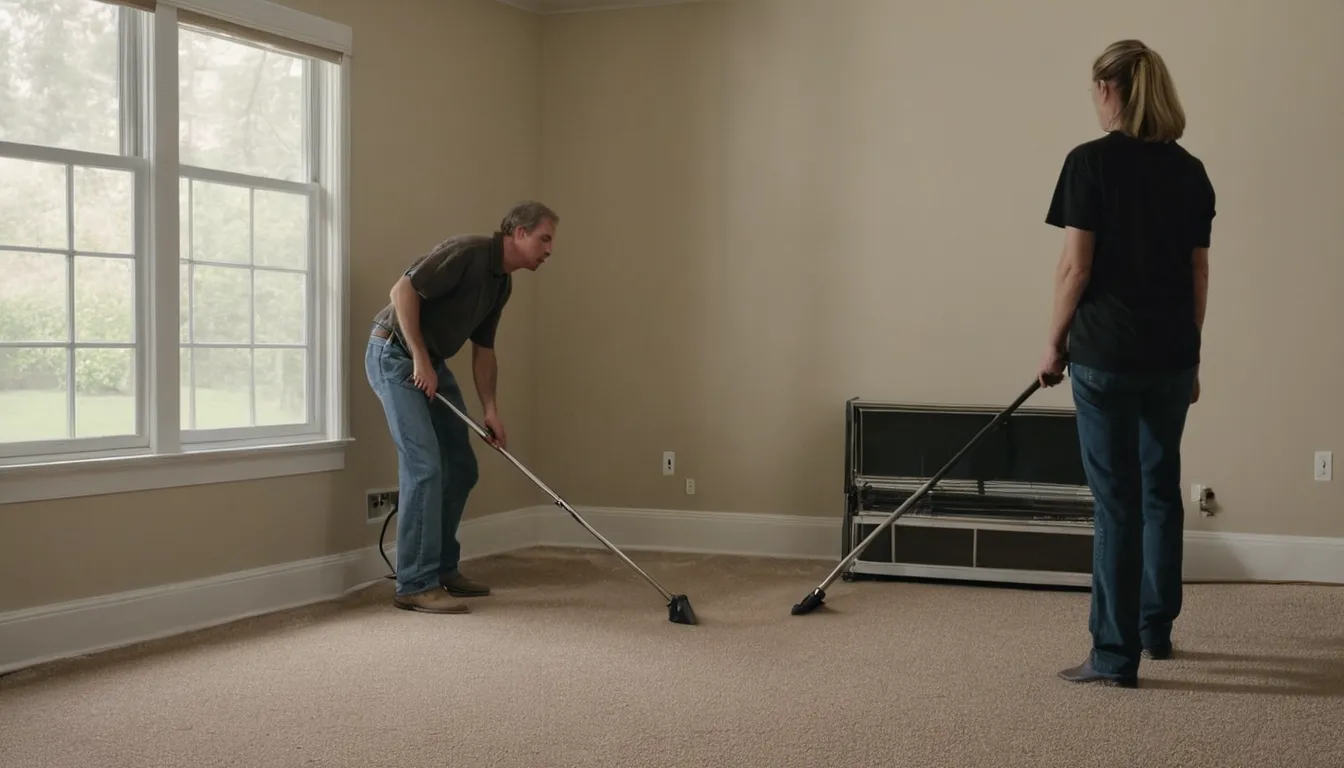
These are two steps of the same job. Extraction comes first: pumps and extractors pull standing water off floors and out of carpet. Structural drying comes next: air movers and dehumidifiers pull the leftover moisture out of drywall, wood framing, subfloors and concrete. Both need commercial gear and a moisture meter.
Leaderarea Water Restoration connects homeowners in Wichita and nearby towns with independent providers who do this work. Before they arrive, you have choices to make. You can mop clean water off hard floors. You can lift rugs and move furniture. What you cannot do with household tools is dry the inside of a wall. That part goes to the provider.
Short version: stop it, stay safe, photograph it, move things.
1. Shut off the water source. 2. Keep clear of outlets and cords near the water. 3. Take photos of every wet area. 4. Mop or wet-vac clean water on hard floors. 5. Lift rugs and set furniture on blocks.
Liquid water is easy to remove. Absorbed water is not. Every hour, more water moves into drywall, pad and wood. Fast extraction means less to dry later. That can save carpet, trim and cabinets that would otherwise be torn out.
For deep water. They move hundreds of gallons out quickly.
For carpet and pad. Strong suction pulls out water a shop vacuum leaves behind.
A technician stands on the tool to press water out of carpet and pad.
If pad is badly soaked, it usually comes out. It rarely dries well.
Low fans aimed along walls and floors. They speed up evaporation.
They pull the evaporated water out of the air.
Small holes along the base of a wall, or baseboards removed, so air reaches inside.
Readings at each visit. Equipment gets moved as areas dry.
Most rooms: three to five days. Hardwood, plaster and concrete: longer. Cold, damp weather slows it down. Dry winter air helps. Drying is finished when readings match dry parts of the house. Not when it feels dry.
Leave it on. It is loud. That is normal. Keep doors and windows closed unless told otherwise. Do not change the thermostat a lot without asking. Keep kids and pets away from cords.
If you see any of these, tell the provider that day. Equipment may need to move, or there may be a second source.
This is the big option to understand. Extraction and drying try to save materials. Tear-out removes them. Clean water caught early usually means more drying and less tear-out. Dirty water, long exposure or swollen particleboard usually means more tear-out. A good provider explains which path they are taking for each material and why. If they want to remove something that looks fine to you, ask for the reading that shows it is wet. If they want to save something that smells bad, ask how they will be sure it is clean and dry.
Ask for the final readings. Keep them. They show the walls and floors were dry before anything was closed up.
Equipment is usually billed per unit, per day. More rooms or slower drying means more days. Ask the provider how many units they plan and for how long. Ask them to tell you before they add days. That keeps the bill close to the estimate.
Submersible pumps move deep water out of rooms and basements before drying can begin.
Strong extractors pull water from carpet and pad that household tools miss.
Commercial drying gear works on walls, floors and framing for several days.
Moisture checks at each visit show progress and confirm when materials are actually dry.
Price depends on area size, water amount, materials and equipment days. These are typical U.S. ranges. Ask for a written quote before work begins.
| Job | Typical U.S. range | Notes |
|---|---|---|
| Extraction, one room | $200 to $800 | Clean water |
| Extraction, several rooms | $800 to $2,500 | More water, more time |
| Drying, per room | $300 to $1,200 | Several days of equipment |
| Equipment per unit per day | $50 to $150 | Air movers and dehumidifiers |
| Pad removal and replacement | $300 to $1,500 | Soaked pad rarely dries well |
| Wall cavity drying | $500 to $2,000 | Drilling or baseboard removal |
Shut the valve, check for power hazards and take photos of every wet area.
Call or send the form with the rooms and water type.
The provider removes water and places drying equipment.
Readings match dry areas before equipment comes out.
You know what helps and what makes things worse before the equipment arrives.
Dry in place or remove. You see the choice before it is made.
Independent providers serving the Wichita area with commercial drying gear.
Get the written estimate. Then decide.
Water in the house? Request a callback or send the form. We connect you with an independent provider near you.
No obligationFans dry surfaces. If water soaked into carpet pad, drywall or the subfloor, you need extraction and commercial drying. Household fans cannot reach that moisture.
Most rooms take three to five days. Dense materials and damp weather add time. The provider should take readings until materials match dry areas.
It is better not to. Drying stalls when equipment stops. Ask the provider before turning anything off, and tell them if noise is a real problem.
Water in the house? Request a callback or send the form. We connect you with an independent provider near you.
No obligation