Need water damage restoration in Wichita?
Water in the house? Request a callback or send the form. We connect you with an independent provider near you.
No obligationTalk to a provider about options
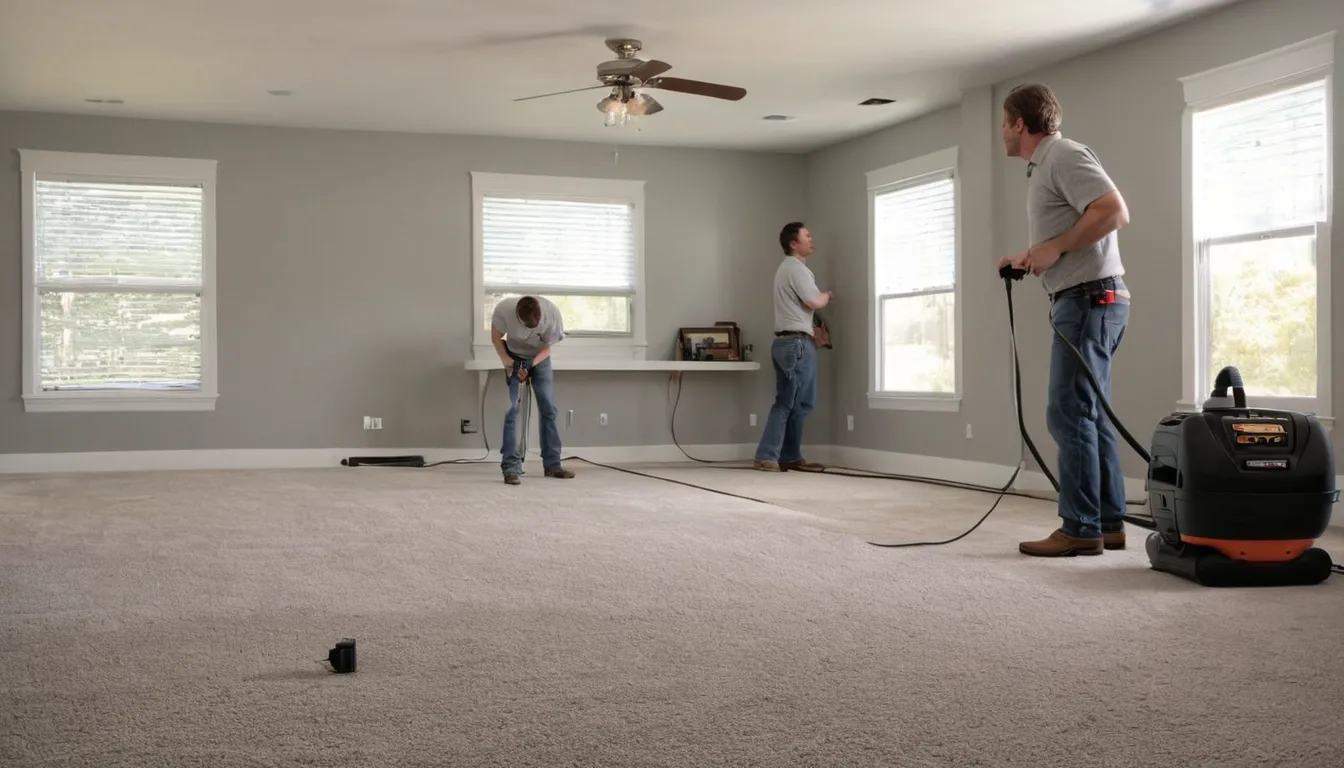
Water damage restoration is the whole job. Water comes out. Materials get dried with commercial equipment. Damaged pieces get removed and replaced. A provider checks moisture with meters at each stage so nothing gets sealed up wet.
Leaderarea Water Restoration connects homeowners in Wichita and the towns around it with independent restoration providers. Before you talk with one, it helps to know the options. Some damage can be dried in place. Some has to come out. Some jobs are done in a few days, others take a couple of weeks with repairs. The provider explains which applies to your home and puts it in a written estimate. You decide from there.
Stay calm and go in order.
Close the main valve. If the source is outside, block what you can and protect the rest of the house.
Water near outlets, cords or the panel is dangerous. Stay out. Shut the breaker only from a dry spot.
Every wet room. Wide, then close. Get the source.
Rugs, electronics, papers and small furniture go to a dry room. Put larger pieces on blocks.
Short answer: water spreads and things rot. Drywall wicks water upward. Carpet pad holds it. Wood floors cup and buckle. Mold can start in a day or two. Early drying saves materials. Late drying means tear-out.
Possible when the water was clean and drying starts early. Carpet can sometimes be saved. Walls may only need small holes along the bottom for airflow.
Needed when materials stayed wet too long or the water was contaminated. Carpet pad, the lower part of drywall and insulation are common removals.
Most jobs land here. Some materials dry, some come out. The provider should explain each choice.
Clean water comes from supply lines and is the simplest. Gray water comes from appliances and drains and needs more cleaning. Black water comes from sewers or outside flooding. It needs protective gear, and porous materials it touched usually come out. Tell the provider the source.
Some policies may cover sudden damage, like a burst pipe. Slow leaks and outside flooding are often treated differently. Read your policy. Call your agent. Keep photos, a timeline, moisture readings and receipts. Providers can often help document damage for a claim.
Ask five things:
1. Are you licensed for my state and insured? 2. How do you find hidden moisture? 3. How do you decide drying is done? 4. Will I get readings and photos? 5. Is the estimate in writing?
Clear answers are a good sign. Pressure to sign today is not.
Keep final readings and invoices. Watch the area for a few weeks. Musty smell, new stains or soft floors mean moisture was missed. Ask for a recheck.
A clear estimate lists each stage. Inspection. Water removal. Equipment, by type and number of days. Material removal, by room. Cleaning. Repairs, or a note that repairs are separate. If a line is vague, ask what it covers. If a room you photographed is missing, ask why.
Getting a second quote is fine, as long as drying does not wait too long. Compare the same things side by side: rooms covered, equipment days, what gets removed, what gets saved and who handles repairs. The cheaper quote is not always the better deal if it skips drying inside the walls. The bigger quote is not always better either. Ask each provider to explain the difference. Their answers tell you a lot.
Most people stay home. The equipment is loud and runs day and night. Some rooms will be off limits for a few days. If the kitchen or the only bathroom is affected, plan around it. Ask the provider which rooms you can use and when.
Meters and a walkthrough map where water traveled, including behind walls and under floors, before anything is removed.
Pumps and extractors pull out standing water and wring out carpet quickly.
Air movers and dehumidifiers run for days, with readings checked each visit until dry.
Removed drywall, trim and flooring get replaced by the provider or a recommended contractor.
Every job is different. Size, water type, time and materials drive the price. These are typical U.S. ranges, not quotes. Get a written estimate before any work starts.
| Job | Typical U.S. range | Notes |
|---|---|---|
| Small clean water leak | $300 to $1,500 | One room, quick drying |
| Multi-room clean water | $1,500 to $5,000 | More equipment and days |
| Gray water job | $2,000 to $6,000 | Extra cleaning, some removal |
| Sewage or flood water | $3,000 to $10,000+ | Protective gear, more tear-out |
| Drywall replacement | $500 to $3,000 | Depends on area and finish |
| Flooring replacement | $1,000 to $8,000 | Varies by material |
Shut off the water, check for power hazards and take photos of everything.
Call or send the form with details and photos.
The provider inspects and explains what dries and what goes.
Read the estimate, ask questions, then decide.
You know whether materials can be dried or must be replaced before work begins.
A short first-hour list keeps you safe and organized.
Independent providers who serve the Wichita area and its weather.
Written estimate first. No obligation to hire.
Water in the house? Request a callback or send the form. We connect you with an independent provider near you.
No obligationDrying usually takes three to five days per area. Repairs add a week or more, depending on what was removed. Ask the provider for a timeline and daily readings.
Sometimes. If the water was clean and drying started early, drywall can often be dried in place. Drywall that stayed wet or touched contaminated water usually has to come out.
Water spreads into framing and subfloors. Wood rots, finishes fail and mold can grow. Small problems turn into larger repairs over time.
Water in the house? Request a callback or send the form. We connect you with an independent provider near you.
No obligation