Talk to a Goddard Provider
Water in the house? Request a callback or send the form. We connect you with an independent provider near you.
No obligationAsk a local provider
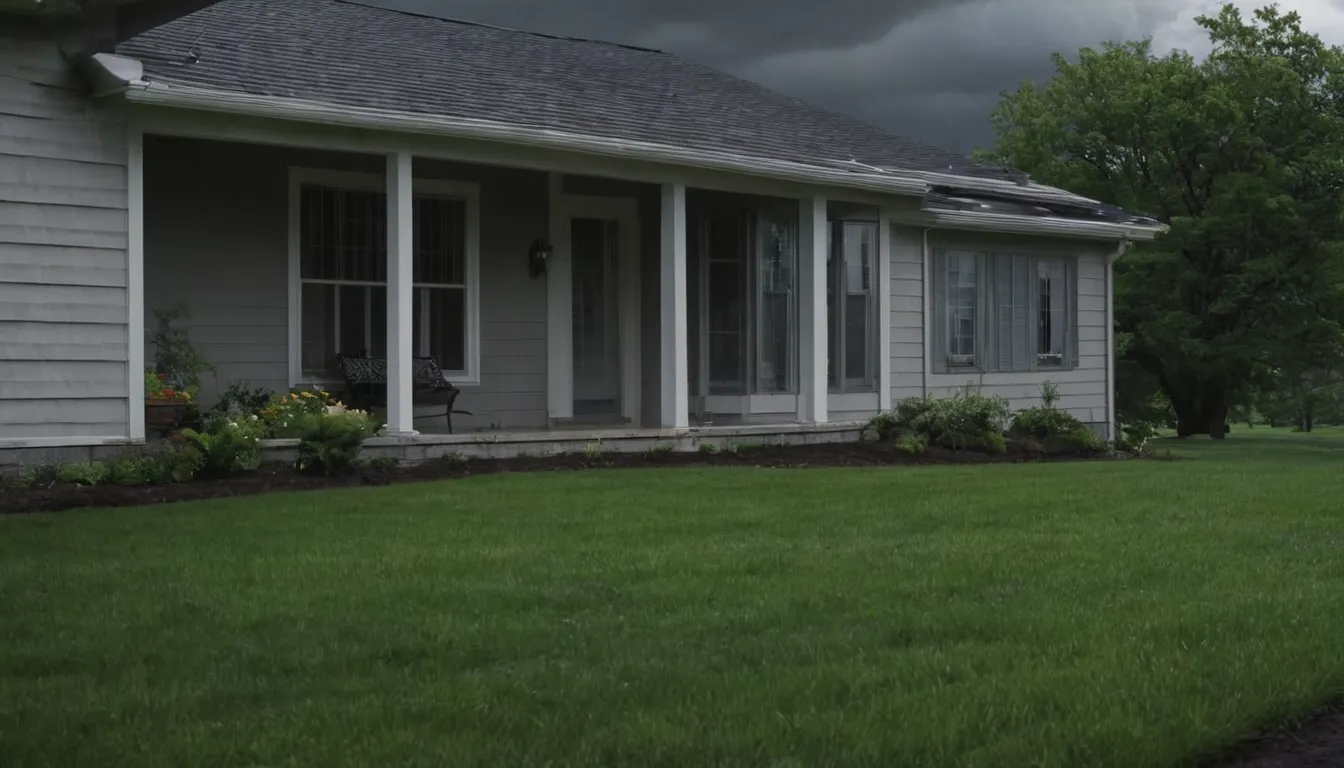
If water got into your Goddard home, the most useful thing you can have is a list of good questions. The second is the truth about a few common myths. This page gives you both, then covers how local homes are built, how to keep records for insurance and what to do in the first hour. Leaderarea Water Restoration connects you with an independent provider who serves the Wichita area. You stay in charge of the decision.
Good providers answer plainly. Request a callback to start the conversation.
Dry to the touch means dry. False. Inside materials hold water much longer.
Everything wet has to go. Not always. Clean water caught early can often be dried in place.
Mold only matters if you see it. It often grows out of sight first.
Ranch homes with basements or storm cellars are common. Most have frame walls and drywall. Basements bring sump pits, floor drains and window wells. Wide lots can slope water toward the house when the grade settles. These are the places providers check first.
Your insurer decides coverage, not the provider and not us. Some policies may cover sudden events. Others do not. Build the record anyway:
1. Photos before cleanup 2. Timeline with dates and times 3. List of damaged items 4. Receipts 5. Provider readings and estimate
Shut off the water. Stay clear of power near water. Photograph every wet area. Move what you can to a dry room. Write a short note about what happened. Then request a callback to reach a provider who serves Goddard.
Here is the usual order. The provider inspects and maps the moisture. Water comes out. Equipment goes in. Over the next few days, the provider checks readings and moves equipment. When readings match dry areas of the house, equipment leaves. Repairs follow.
You will be asked to sign an authorization before work starts. Read it. It should match the estimate. If you are working with your insurer, ask the provider how they bill and whether they need anything from you. Keep copies of everything.
If something changes, like a second leak or more damage behind a wall, the provider should explain it and update the estimate before doing extra work. No surprises is a fair thing to ask for in any Goddard home.
Not every job needs all of these. A small clean leak might be extraction and three days of drying. A sewer backup in a finished basement might need all of it. Ask which items apply to you and why.
If you want to talk it over first, request a callback. A provider who serves Goddard will walk you through your options in plain words. Then you decide.
One last point. If the provider finds more damage once walls are open, the plan may change. That is normal. What matters is that they stop, show you what they found and update the estimate in writing before they keep going. Ask for photos of anything new. Add them to your folder. Then decide. You stay in charge of your Goddard home the whole way through.
A short list of questions helps Goddard homeowners compare providers and understand the plan before work starts on their home.
Plain facts about dryness, removal and hidden mold help you make better choices in the days after water damage.
A simple five-part record keeps estimates accurate and gives you what an adjuster usually asks for, with no promises about coverage.
See what independent providers usually handle, from moisture mapping and extraction to drying and repairs, before anyone arrives.
Water in the house? Request a callback or send the form. We connect you with an independent provider near you.
No obligationWater in the house? Request a callback or send the form. We connect you with an independent provider near you.
No obligation