Need flooded basement cleanup services in Wichita?
Water in the house? Request a callback or send the form. We connect you with an independent provider near you.
No obligationGet your basement cleanup started
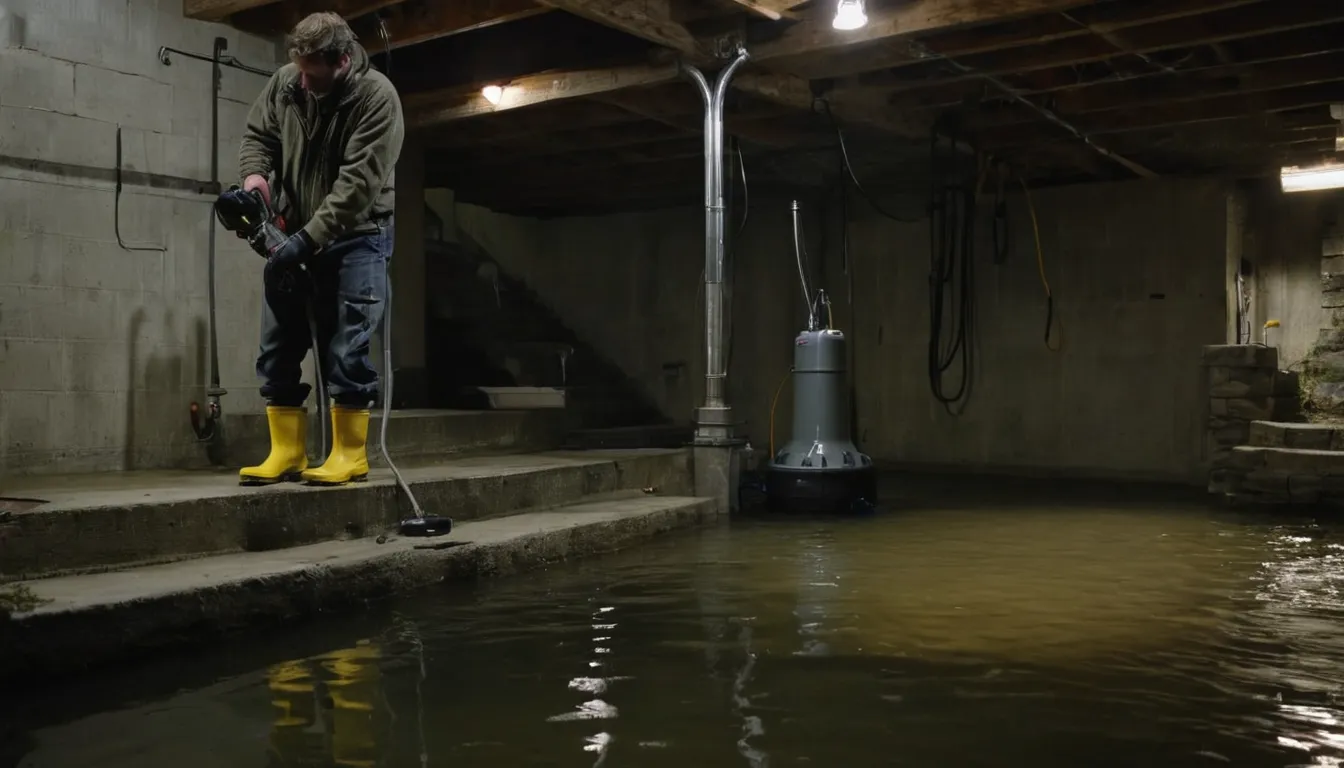
Basements flood here for a few common reasons. Spring storms overwhelm sump pumps. Window wells fill with rain. Snowmelt pushes through foundation cracks. Water heaters and washer hoses fail without warning.
Flooded basement cleanup means pumping out the water, removing ruined materials, cleaning and sanitizing and drying the space so mold does not start. Leaderarea Water Restoration connects homeowners in Wichita and nearby towns with independent providers who handle basement floods. Your options depend on how deep the water is, where it came from and whether the basement is finished. A provider can walk you through each one and give you a written estimate before work starts.
Do not rush down the stairs. Check three things.
Is water touching outlets, the furnace, the water heater or cords? Then stay out. Shut the power from the panel only if you can reach it dry.
Stairs get slippery. Floors may hide debris. Wear boots. Move slowly.
Water from outside or a floor drain may carry sewage. Wear gloves. Keep kids and pets upstairs.
The source decides the plan. Look for these.
Is the pump running? Check the breaker, the float and the discharge line.
Check the water heater, washer hoses and pipes overhead. If one is leaking, shut the main.
Water along the base of walls means it came through the foundation.
Water coming up a floor drain means a sewer or storm line problem. Treat it as contaminated.
Photograph whatever you find.
Basements are cool, dark and damp. Mold likes that. Drywall, pad and boxes absorb water fast. Concrete holds moisture for a long time. More waiting means more tear-out.
You might handle this with a wet vacuum and fans. Still check with a meter or ask a provider to confirm it is dry.
This is a provider job. Pumps, extractors and commercial drying are needed. Some drywall and carpet will likely come out.
Always a provider job. Sanitizing and protective gear are needed.
Unfinished basements are mostly pump, clean and dry. Finished basements hide water behind drywall, under carpet and above drop ceilings. Expect more removal and a longer timeline.
Move what you can upstairs. Lay papers and photos flat to dry. Photograph damaged items before throwing them out. Make a simple list with age and rough value. Some policies may cover sudden water damage. Seepage and backups often need separate coverage. Check your policy.
1. How will you find water behind finished walls? 2. How long will drying take? 3. Will I get moisture readings? 4. Can you suggest a fix for the source? 5. Is the estimate in writing?
Test the sump pump every spring. Extend downspouts away from the foundation. Keep stored items on shelves. Watch for smell or stains in the weeks after.
Get this done before spring storms:
1. Test the sump pump with a bucket of water. 2. Check that the discharge line is clear and drains away from the house. 3. Look into a battery backup pump if the power goes out often in storms. 4. Clear window wells and add covers. 5. Extend downspouts at least several feet from the foundation. 6. Move stored items onto shelves, off the floor. 7. Photograph the basement as it is now, so you have a before picture.
Treat it differently. Do not touch the water without gloves and boots. Keep everyone else out. Do not run the washer, dishwasher or flush toilets until the line is checked, since that adds more water to the backup. Porous items the water touched, like carpet, pad and cardboard, usually go. Hard items can often be cleaned and sanitized. A plumber may need to clear or repair the line while the restoration provider handles cleanup.
Older homes may have a storm cellar or a basement with stone or block walls and a dirt or thin concrete floor. These take on water more easily and dry more slowly. Tell the provider what kind of space it is so they bring the right pumps and plan for a longer drying time.
Submersible pumps and extractors clear deep water and soaked carpet.
Wet pad, low drywall, insulation and boxes come out before drying.
Surfaces touched by flood or backup water get cleaned and treated.
Fans and dehumidifiers run until walls and concrete test dry.
Water depth, water type, finish level and time drive the price. These are typical U.S. ranges. Get a written quote first.
| Job | Typical U.S. range | Notes |
|---|---|---|
| Unfinished, shallow clean water | $500 to $2,000 | Pump, clean, dry |
| Finished, clean water | $2,000 to $7,000 | Some drywall and carpet removal |
| Sewer or storm backup | $3,000 to $10,000+ | Sanitizing and protective gear |
| Deep water pump-out | $500 to $2,500 | Depends on depth and access |
| Mold treatment if found | $1,000 to $5,000 | Only when growth is present |
| Sump pump replacement | $500 to $2,000 | Often a plumber's job |
Look for power hazards and contamination before going downstairs.
Check the pump, heater, hoses and drains.
Call or send the form with photos and notes.
Review the written estimate before work starts.
Power, footing and contamination checks come before you step down.
Know whether your basement is a homeowner job or a provider job.
Independent providers who handle basement floods across the Wichita area.
Written estimate, then you decide. No obligation.
Water in the house? Request a callback or send the form. We connect you with an independent provider near you.
No obligationStay out if water is near power. Shut off the water source if you can do it safely. Photograph everything. Move belongings upstairs. Then contact a provider for pumping, cleaning and drying. Treat water from drains or outside as contaminated.
Common causes are a failed or overwhelmed sump pump, full window wells, downspouts draining too close to the house and cracks in the foundation. A provider can help pinpoint it.
Usually yes, if the water was clean and the upstairs is unaffected. Sewage backups may call for more caution. Ask the provider.
Water in the house? Request a callback or send the form. We connect you with an independent provider near you.
No obligation